Online training login

Many thanks to Professor Anna Dunér, Dr Angela Bångsbo and Associate Professor Tina Olsson for this guest blog describing their research project where Talking Mats will be used to enable service users living with dementia to be involved in decisions about their home care services. The project is based on a collaboration between Department of Social Work at the University of Gothenburg, Borås University College and the municipality of Borås, aiming to develop and evaluate the use of Talking Mats.
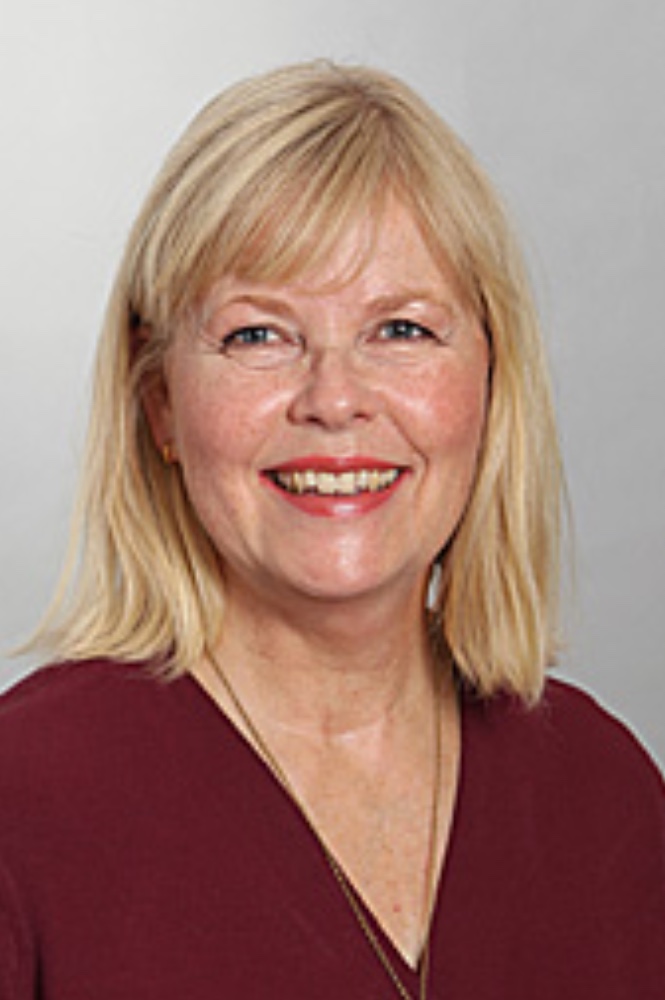 Professor Anna Dunér
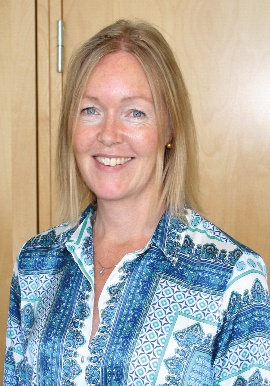 Dr Angela Bångsbo
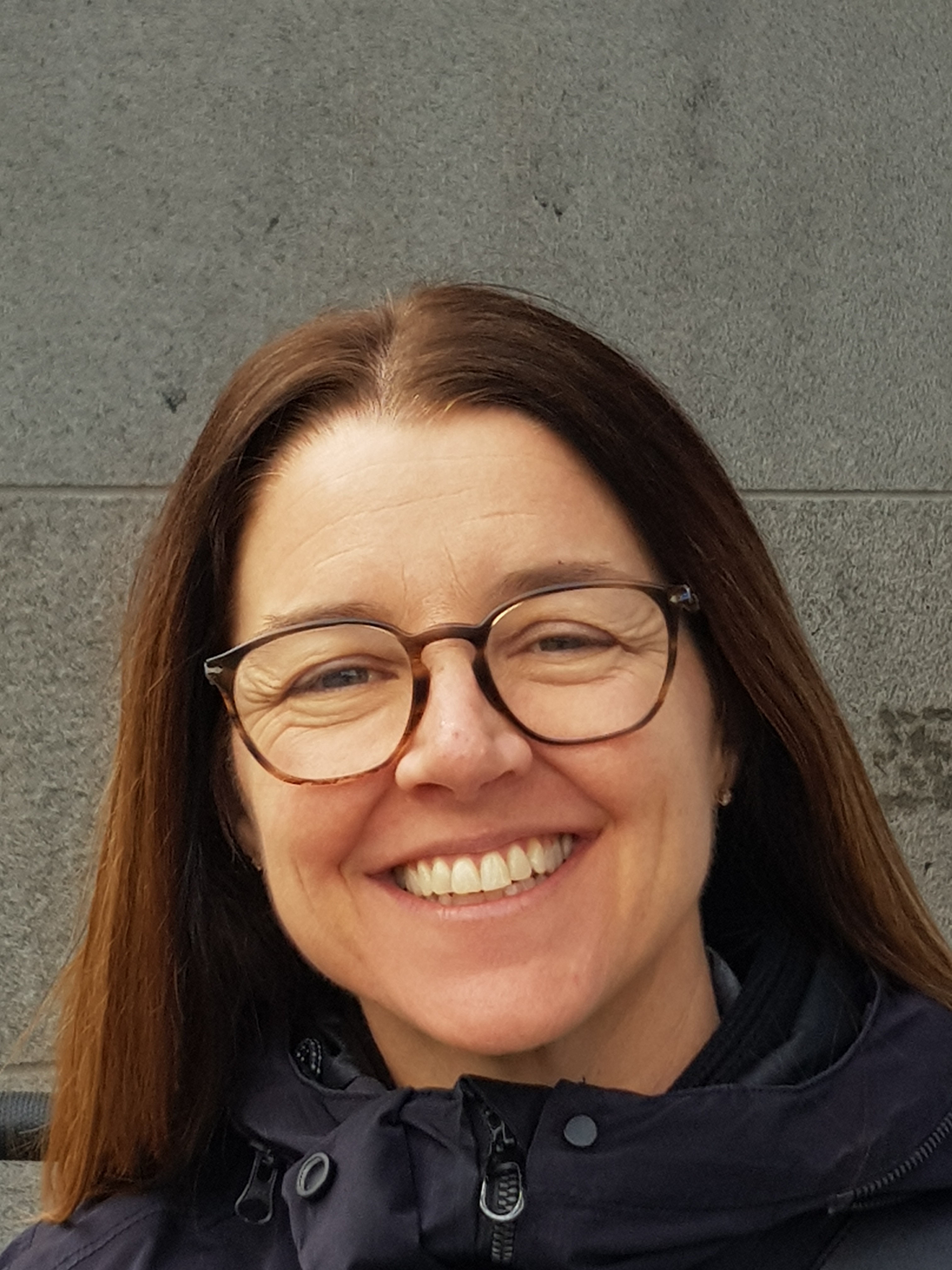 Associate Prof. Tina Olsson
In Sweden, as in many other developed countries, ideas of consumer choice and personalisation of services have been implemented in social care with the intention of achieving better choice and control as well as increased quality of the services provided for the individual. However, persons living with dementia are at risk of being excluded from the opportunities provided to other groups of service users. Thus, it is important to develop both needs-assessment procedures, and improve the performance of home care services, to enable older people living with dementia continuous choice and control in their everyday living.
We hope that Talking Mats will improve the communication between service users, care managers and staff in eldercare and lead to increased influence of service users over the decisions and planning of their home care services.
During 2020 we have funding for a planning study where we can develop and test the Talking Mats decision aid, identify, translate and test outcome measurements, and refine and test the procedures for a comparative intervention project. In 2021 we hope to attain funding for a three year study.
We have already received valuable advice and information about Talking Mats research from Dr Joan Murphy and hope to keep in contact with her and the Talking Mats team throughout our project.
If you are interested in Talking Mats Research, check out our recent blog with details of how you can get involved with our Virtual Network:
https://www.talkingmats.com/virtual-talking-mats-research-network-launched/
Thanks to all the people who have expressed an interest in the Talking Mats research group . We are excited to see the range of research going on and how people are using Talking Mats as a research tool in a variety of settings e.g. universities, NHS, not for profit organisations, youth justice – and with such a wide range of client groups e.g. dementia , alternative and augmentative communication , children and young people, people with learning disabilities, and palliative care.
This is a virtual network and we are still exploring ways in which this could work, but it could involve an email network, virtual seminars and/or twitter chats.
If you are interested in being included, and have completed our Talking Mats Foundation Training course, we would love to hear from you.
The network will be coordinated by Dr Joan Murphy, Founding Director of Talking Mats, and Dr Jill Bradshaw (Tizard Centre, University of Kent) who was appointed as our Honorary Associate in November 2019 https://www.talkingmats.com/honorary-research-associate/
If interested please complete and send the following form to info@talkingmats.com:
Application-to-join-TM-research-network
Many thanks to our new Talking Mats Research Associate, Dr Jill Bradshaw (Tizard Centre, University of Kent), for this latest blog focusing on how Talking Mats can help people with communication difficulties to express themselves – to help work out the reasons for behaviour that challenges.
We know that around 10-15% of people with intellectual and developmental disabilities display behaviour that can be challenging. This might include hitting out at other people or injuring themselves. These behaviours can serve very important functions for the individual (e.g. to avoid something unpleasant or to get a need met). When we try to help make things better, we often focus on improving communication, quality of life and health and wellbeing more broadly.
How do we work out why behaviours that are challenging occur?
We often spend time observing the person and talk to carers and staff who work with the person to gain information about what is working well and what might help. This is part of a functional analysis. Here, the aim is to identify the factors that have led to and are maintaining the behaviours displayed. Traditionally, we have not really asked people directly what they think. This is partly people who display behaviour that challenges almost always have complex communication challenges.
How can we better access views of children and adults and would Talking Mats be one way of gaining views?
Together with Nick Gore, we have been working on ways of using Talking Mats to enable children and adults to give their views. We developed a series of mats focusing on:
- Likes and dislikes;
- Difficult behaviours;
- Things that help;
- Things that don’t help;
- General preventative variables.
What happened when we used the Talking Mats?
People were able to use these Talking Mats to tell us about what was important to and important for them. Some information was similar to reports from carers and staff and some information was in addition. For example:
- we gained information about preferred activities, such as riding bikes and preferred snacks. Doing things we like to do is important for all of us!;
- people gave us information about their difficult behaviours and where these took place;
- people were also able to give us at least some information about what made a bad day and what helped on a bad day. This information helped to inform support strategies.
You can read more about this work here: https://kar.kent.ac.uk/67033/1/PDF_Proof%20%283%29.pdf
Using Talking Mats certainly enabled some people to give their views. It was particularly helpful as a way of talking about difficulties, where a focus on the mat rather than on direct questioning was useful.
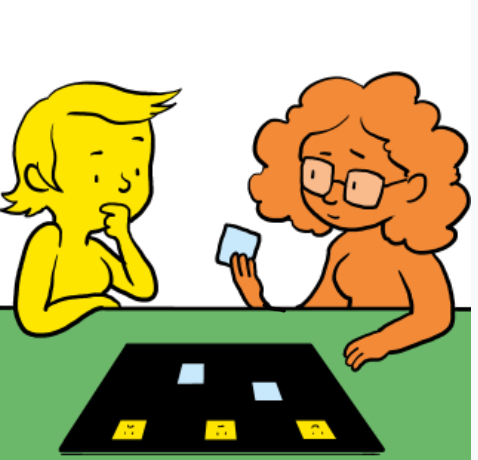
As expected, more people were able to access the more concrete topics we discussed and the more abstract topics were more difficult. We have also been working with the Challenging Behaviour Foundation to develop a range of methods (including Talking Mats) to help to gain the views of people with communication challenges. You can read more about this work here:
To view Jill’s presentation about this topic from our Talking Mats is 21 event last August, click here: TM and PBS final version for handout
If you are interested in Talking Mats and Research and have completed our Foundation Training Course, you can find out more about our new Talking Mats Research Network Group by emailing Jill at J.Bradshaw@kent.ac.uk, and watch this space for a new blog all about the group – coming soon!
In the first of two blogs, we talk about how using Talking Mats Resources can help people have better conversations.
Talking Mats provides a visual framework to help people express their views and feelings, using a selection of communication symbols that cover a variety of topics. Talking Mats resources are used by many professionals across a wide range of health, social care, residential, and education settings. Most of our resources are available in both low-tech, and digital, formats. In this first blog we focus on the resource bundles which are available to purchase with our Foundation Training course.
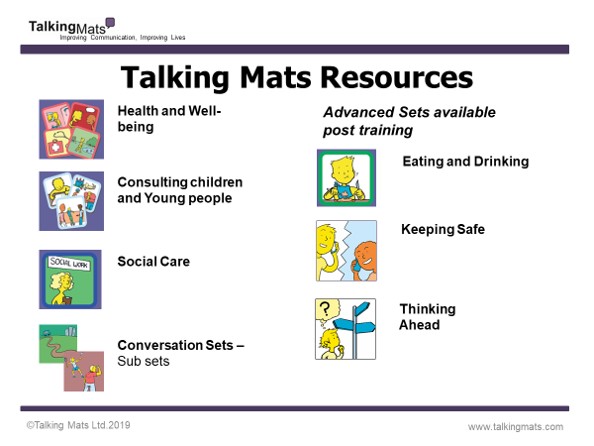
Our resources are available to buy through our website (https://www.talkingmats.com/shop/) however we do strongly recommend completion of one of our Foundation courses (https://www.talkingmats.com/training/foundation-training/) to get the most benefit from Talking Mats – and to use it to its full potential. If you add a Health and Wellbeing, Consulting Children & Young People, or Social Care resource pack bundle to your training you only end up paying £65 for the training day itself which is a great deal!
Resource Bundles available to purchase with Training
Health and Wellbeing Bundle:
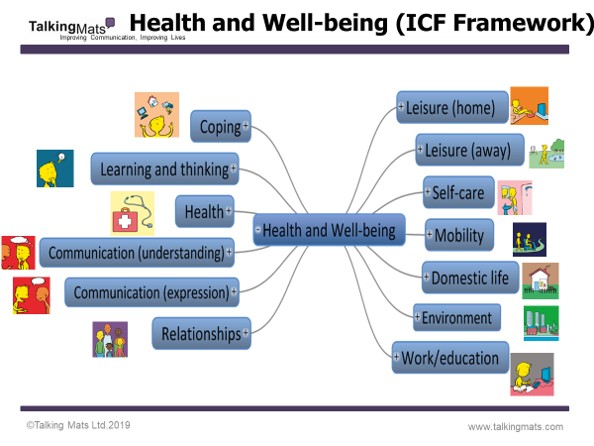
These packs are based on the ‘activities and participation’ domains from the WHO ICF framework and includes 9 topics which are relevant to people, regardless of their health, disability or where they live around the world. We have translated these into more ‘user-friendly’ language and have generated symbols to represent each topic.
In addition to the 9 topics from the Activity and Participation domains, we have also included Environment and Health, which are important topics within the ICF framework and in people’s lives.
Consulting Children and Young People Bundle:
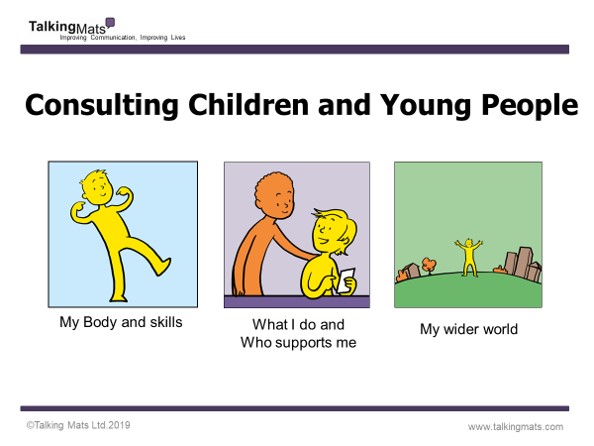
These packs are based on ‘Getting It Right For Every Child’ (GIRFEC), a Scottish framework for everyone to use when working with children and young people. There are three broad topics which are relevant to any child or young person’s life. This resource can also be used with SEND reforms in England. There are different packs for each developmental stage: Early years (ages 3 to 7); Primary (ages 7 to 12) and secondary (age 13 upwards).
Best Value Bundle: This option includes the Health and Wellbeing and Consulting Children and Young People bundles above, as well as our Social Care resource packs, providing a complete set of resources to support communication on a comprehensive range of topics for children and adults.
If you’d like to book a place on one of our Foundation Courses and would like to know more about our bundle options, get in touch with us at info@talkingmats.com
Find out more about our Foundation Training course here: https://www.talkingmats.com/training/foundation-training/
Many thanks to Charlotte Phillips and Laura Douglas, SLTs at Blossom House School, New Malden, for this latest guest blog which looks at how Talking Mats are used for therapy goal setting within the context of a specialist school for children with SLCN. Further information can be found on their RCSLT Poster Presentation (September 2019) here – AAC Poster RCSLT Conference September 2019
Goal setting can be a labyrinth to navigate! Do these goals reflect the pupil’s own views? Is there a discrepancy between staff and pupil ideas for goals? Are these goals motivating? Are the goals functional? Are pupils avoiding goals they would like to achieve for fear of failure? Add to this the language rich dialogue required in order to establish goals and similar to a maze you may encounter dead ends, twists, turns and a feeling of entrapment. How can we ensure we do not assume needs and that the goal setting process is collaborative and person-centered? Enter Talking Mats; a tool which enables you to make sense of the maze, like the lookout tower in the middle it allows you to have a clear view of how everything fits together. You’ll now find the goal of exiting is far easier!
How can Talking Mats help?
At Blossom House the Talking Mats framework is utilised at the beginning of therapy to support pupils with DLD and specific learning difficulties to identify areas of their strengths and needs and develop personally meaningful goals that are associated to these areas. Some of the pupils are competent verbal communicators within a social context but due to the emotive subjects they may be exploring they may not be able to access these skills within therapy. Talking Mats are also used to baseline students’ self-awareness alongside prompting pupil voice. Talking Mats are tangible and have low linguistic demands which allows students with kinaesthetic and/or visual learning style preferences, and communication needs to engage in these discussions.
Case Study 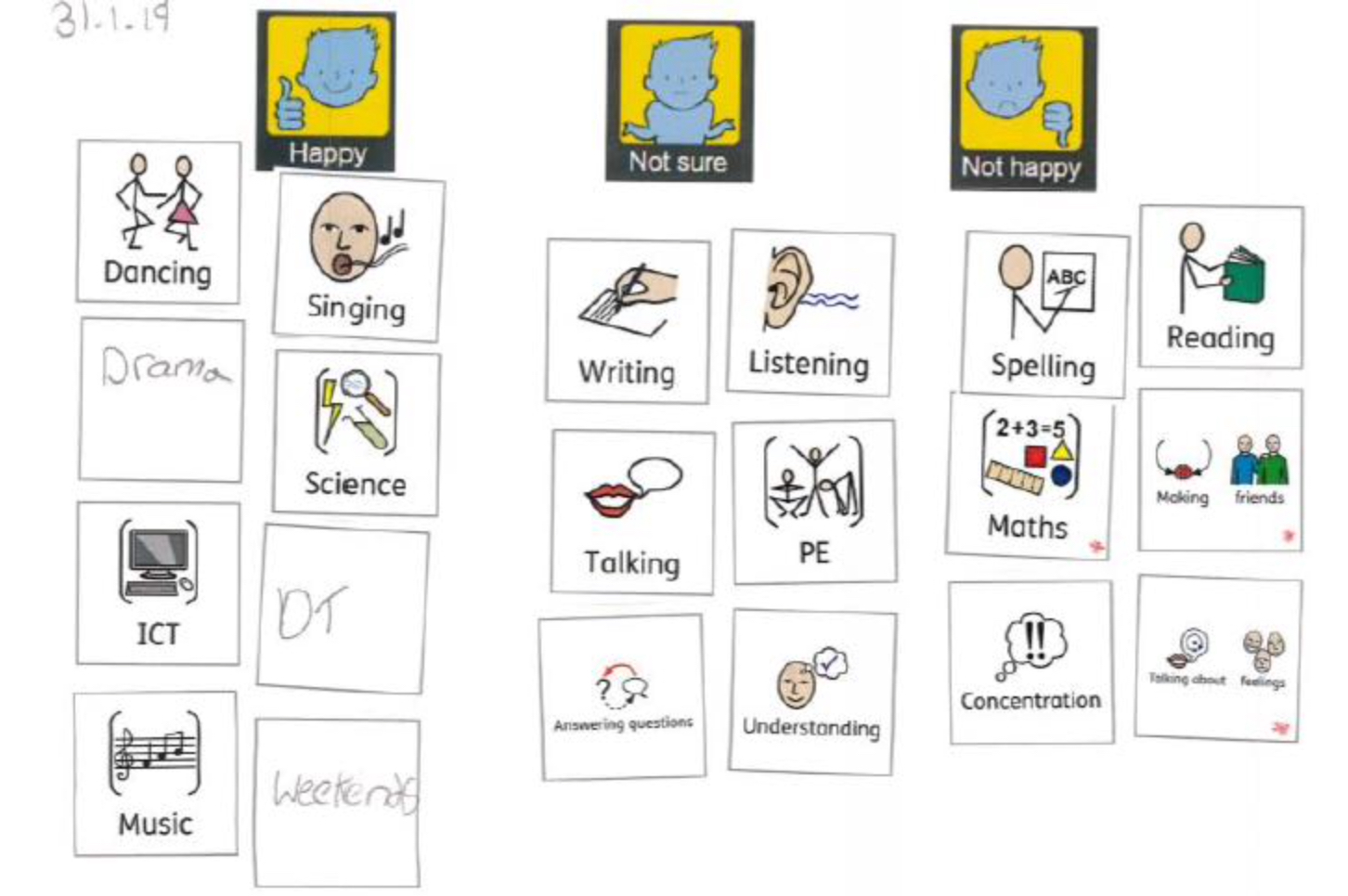 This Talking Mat (using Widgit Symbols as options) was created with a student at the start of therapy whilst the therapist was building a therapeutic relationship. It helped a student who was reticent to share with a new adult to have a full conversation about things that he was happy with and those that were not happy. The mat options were chosen to include a) communication strengths and needs, b) school subjects and c) some areas the SLT knew were areas of strength. The function of this mat was threefold: to baseline the confidence the student felt about certain areas (with the aim to increase this over therapy), to assess his self-awareness of his strengths and needs and finally to act as a tool to help prioritise targets for therapy and develop relevant goals. The student’s self-awareness was accurate as he was able to rate known areas of strength e.g. singing, dancing and drama, as ‘happy’, whilst known areas of difficulty e.g. spelling were accurately labelled as ‘not happy’. Some of the areas of need that the student rated matched the SLT’s referral information as priorities for therapy from his teacher (starred) therefore these were used to go on to create joint goals with the student.
Next Steps
The school would now like to embed Talking Mats as a whole school approach. The first step will be Talking Mats forming a core part of School council meetings to ensure that every pupil has a voice. There will be consultation with SLTs around integrating Talking Mats into the Annual review pupil voice protocol and into therapy outcome measures. This will be facilitated through the use of the digital talking mats package which allows for staff to create mats with pupils on the move, with minimal resources. These can then be emailed to staff and pupils which makes this information practical for staff to use within the context of their extremely busy school day. The use of technology to facilitate self-advocacy is an interesting field which needs further investigation.
If you are feeling inspired and would like to access Talking Mats training to enable you to introduce a similar approach in your school take a look here –
https://www.talkingmats.com/training/foundation-training/
To find out more about our resources, including our Digital Talking Mats app, check out this link here –
https://www.talkingmats.com/shop/

Many thanks to Paddy Carstairs, Development Worker (NIN) at ARC Scotland, for this guest blog describing the recent Talking Mats ‘Charter for Involvement’ project.
The National Involvement Network (NIN) is a large group of people who get support from different organisations across Scotland. Members meet to share ideas and experiences of being involved in things that affect their lives. In 2015 NIN published the Charter for Involvement. The Charter explains in their own words how people want to be more involved in:
- the support they receive
- the organisations that support them
- the wider community
Organisations are invited to sign up to the Charter. This means making a commitment to put the Charter into practice. At time of writing 81 organisations, including 7 H&SCPs have done so.
NIN members wanted to make sure that more people could engage with the Charter. In particular it wanted to help people express their views on living independently and taking part in their communities.

In partnership with Talking Mats and ARC Scotland eight NIN members trained in how to use a Talking Mat. They then created and designed a Talking Mat for the Charter for Involvement, using images that featured in the Charter. The theme was “Taking Part” and came in two stages, firstly using concrete images and then more abstract ones. A film was made to record the experience of NIN members developing and trying out the new tool.
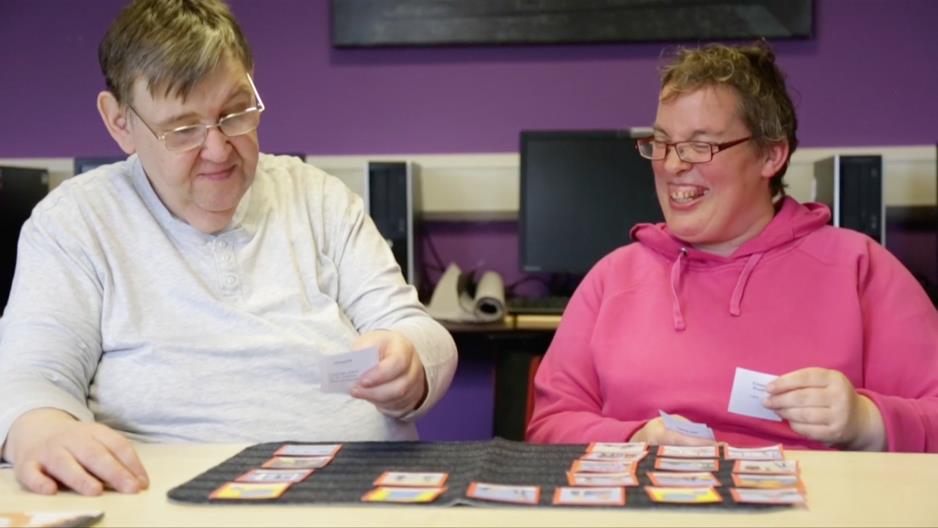
With the help of the organisations that support them, NIN members piloted the new Charter Talking Mat and conducted 60 interviews with supported people. This helped everyone learn about what worked well and not so well, and changes were able to be made.
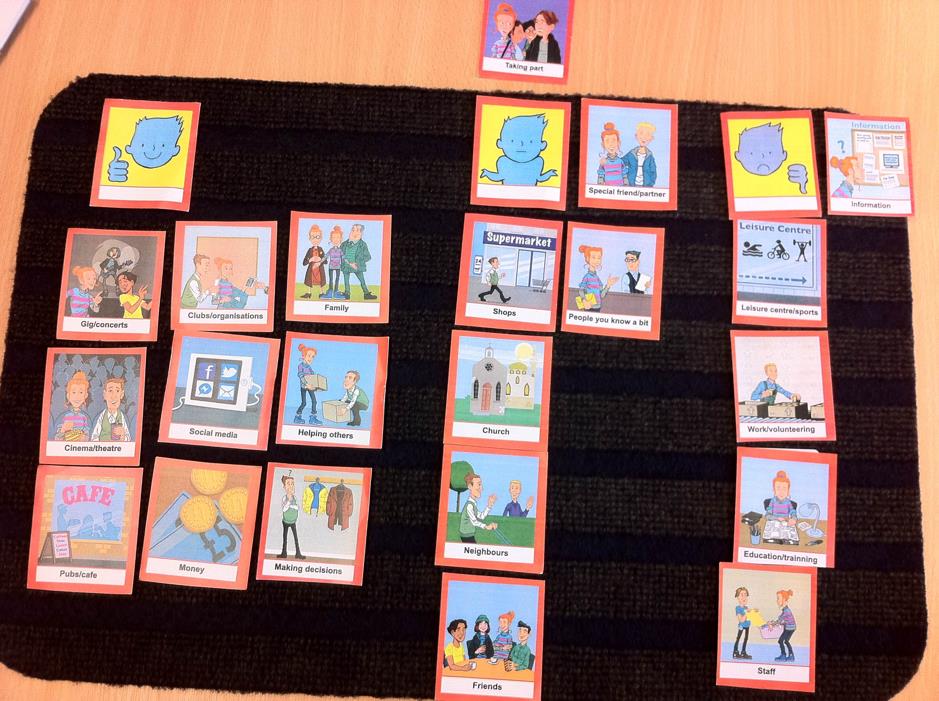
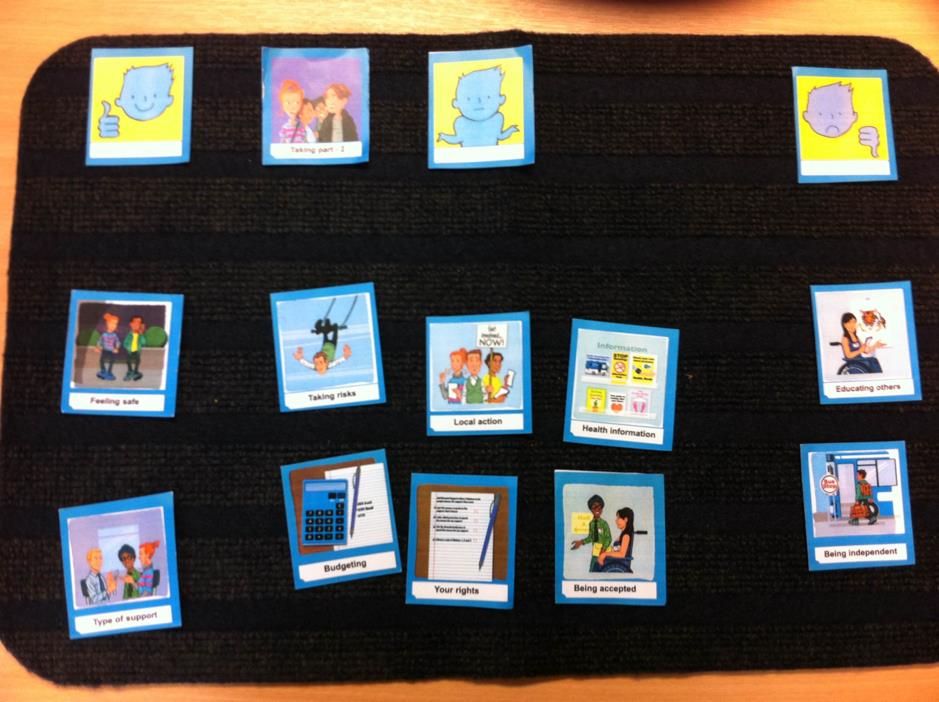
Just as importantly, it showed that people who get support were able to use a Talking Mat to help other supported people make changes and improve the support they receive. NIN members found that when thinkers gave a card the thumbs down, as listeners they were able to support people to seek changes to their support that they wanted, or pass on information that would help improve their lives. Some thinkers said they felt more comfortable doing the Talking Mat with another person who gets support.
These experiences have been recorded in a film called Talking Mats Stories. In it NIN members describe the impact the Charter Talking Mat has had, the changes that were made possible to enable people do things they wanted, and the confidence and satisfaction they drew from being able to help other supported people.
Talking Mats Stories can be viewed at https://www.youtube.com/watch?v=1aer7v4fyFU&t=3s
Or by visiting the NIN page on the ARC Scotland website – https://arcscotland.org.uk/involvement/national-involvement-network/
Talking Mats Stories was produced by Media Education
Organisations that supported NIN members to produce the Charter Talking Mats were: the Action Group, Hansel, Turning Point Scotland, Cornerstone, Streets Ahead Borders, the Redwoods Caring Foundation and Hillcrest Futures (formerly Gowrie Care)
Paddy Carstairs
Development Worker (NIN)
ARC Scotland
If you are interested in finding out about Talking Mats Projects check out this link – https://www.talkingmats.com/projects/
And do get in touch if you’d like to discuss any potential projects – we would love to hear from you!
Many thanks to Lynn Blair, SLT (NHS North Lanarkshire) for writing this guest blog describing a recent project in which she and her colleagues used Talking Mats to gather the thoughts of secondary-aged pupils with social, emotional and behavioural support needs:
Do you remember your school janitor? Was he/she a cheery soul who you enjoyed talking to? Perhaps there was another member of school staff who you trusted and felt you could chat with. Secondary school can be a challenging environment for any teenager, let alone those who have speech, language and communication needs (SLCN). Young people need adults in their lives who they can feel at ease talking with.
The purpose of our recent project (See Lanarkshire SLT SEBN Poster 2019 and Lanarkshire SEBN Project Summary) was twofold. Firstly we wanted to find out how many of the young people in our local secondary schools for pupils with social, emotional and behavioural needs (SEBN) had language and communication difficulties. We also wanted to hear about the impact of those support needs by gathering the thoughts of the pupils themselves and that’s the focus of this blog.
We have to admit we were a bit anxious before we met with the pupils. Would these young men and women even give us the time of day with our friendly faces, mats and pictures? In the actual event, for the most part the tool was met with curiosity and then full engagement. The young people quickly grasped the idea. Some did not speak at all as they placed the images and others used the opportunity to tell us a great deal about how they felt about talking to different people in their lives and in different settings.
The information that we gathered is now being used to plan evidence-based speech and language therapy services to the school and young people. The use of Talking Mats gave us interesting information like the fact young people felt auxiliary staff such as janitors and assistants are often easier to talk with than teachers and as a result, we are thinking about how we involve all school staff in future events.
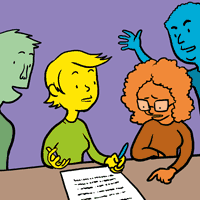
We are only too aware that the young people we met have often felt excluded from other people and from certain places. Talking Mats gave them the opportunity to be heard and we’re excited to consider how we can use them in the next phase of our work to support their communication needs.
If you are feeling inspired and would like to find out more about accessing Talking Mats Training – check out this link here: https://www.talkingmats.com/training/
Many thanks to Susan Gowland, SLT at NHS Fife Forensic Learning Disability Service, for this guest blog summarising the fantastic presentation she delivered at our TM is 21 event in August 2019.
As a speech and language therapist within NHS Fife’s forensic learning disability service, I work across two low secure wards. In my presentation for the “Talking Mats is 21 event” I talked about the way in which Talking Mats is used within these wards and the positive impact this has had for staff and patients.
Regular Check In: “it’s the same questions, but it’s easier to talk with the pictures”
Some of the people I work with use Talking Mats as a regular check in tool. Conversations are often based around the Wellbeing, Relationships and Thoughts and Feelings cards of the Keeping Safe resource, with personalised adaptations agreed with the thinker. Some people who find it difficult to express how they are feeling and irritations can either build up to a serious incident or the person can get weighted down by unexpressed needs and concerns. For these people a regular check in can address the small things before they become big things. This can help the thinker feel listened and responded to, build experiences of communicating effectively, as well as trust and therapeutic relationships, all of which are assets which will support the person to move on.
Self Reporting: “It helps me understand how I’m feeling about things”
For some people, the check in can have a specific focus. In a hospital based forensic service, unexpected and unrecognised changes in mental health can lead to serious incidents. To address this we have used Talking Mats to talk about mental health. SLT have worked with individuals, psychiatry & nursing to identify personal symptoms of mental health changes. These symptoms become options in the Talking Mat & can be used to support person to self report at the times their mental health changes. Being able to do this enables people to discuss the support they need & reduce the risk of out of the blue incidents. The Talking Mat itself can be a support. As one thinker said, “Talking Mats relaxes you, it calms you down”.
As and when required:
The regular use of Talking Mats on the ward has led to other patients asking for Talking Mats sessions. As a licensed trainer I offer training to all professionals within our multi-disciplinary team and there is often at least one Talking Mats trained nurse on shift. This means ad hoc requests can be facilitated and some thinkers have started using Talking Mats in weekly meetings; as a tool to talk through emotional events and as a way of exploring the mixed emotions around discharge. In the words of one of the charge nurses:
“Talking Mats has enabled me to communicate with people in a way that is meaningful. To support someone to express and understand their thoughts and feelings regarding both joyous and distressing events is a privilege. The format may be simple, but the outcome is often comprehensive and insightful.”
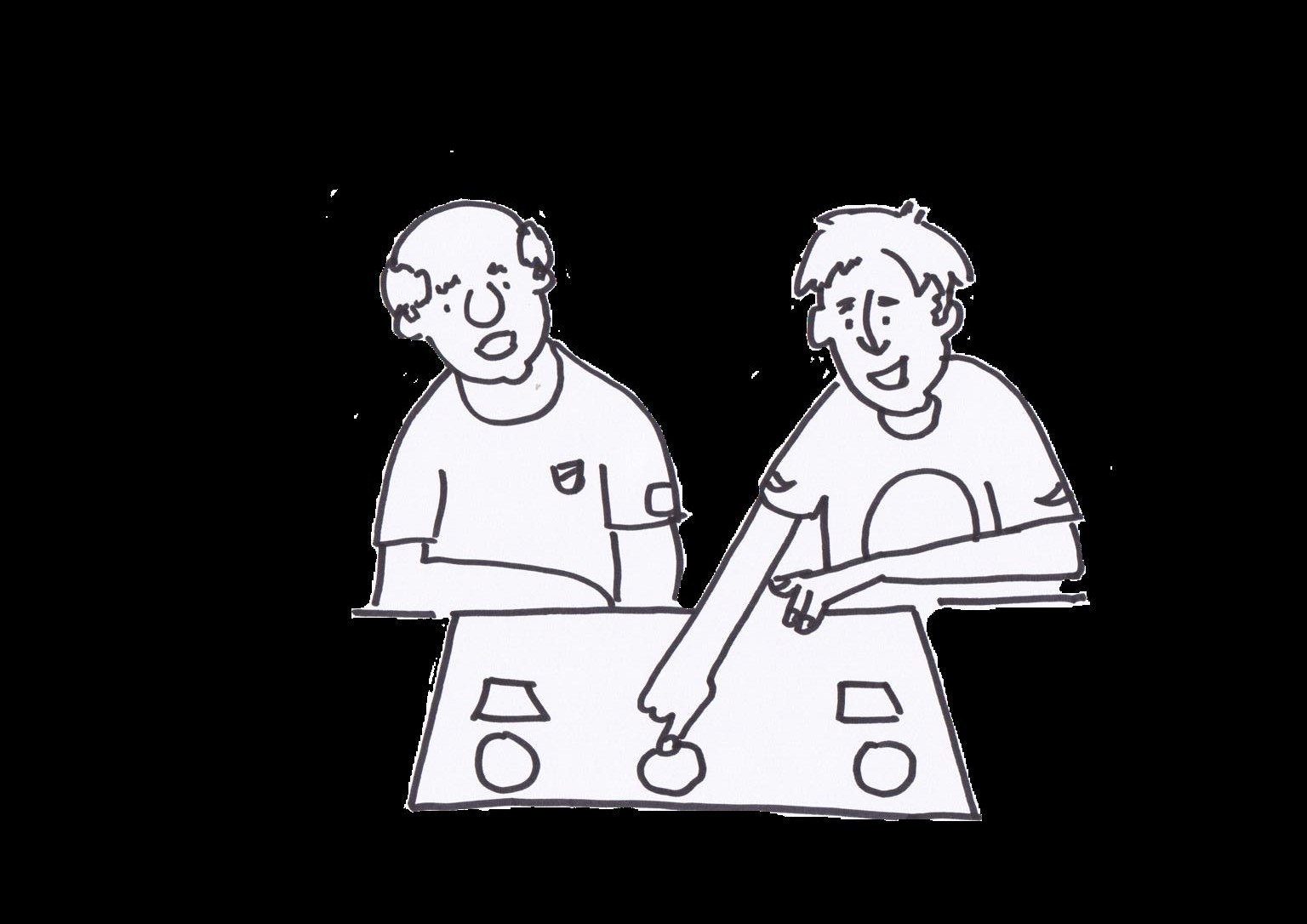
(Picture drawn by Fiona Glanville, staff nurse, NHS Fife)
If you would like to find out more about accessing Talking Mats training, check out this link:
https://www.talkingmats.com/training/
If you are interested in our Keeping Safe resource mentioned here (available to those who have accessed our Foundation Training / Online Training Course) please see these links for more details:
https://www.talkingmats.com/keeping-safe-a-new-talking-mats-resource-available-to-purchase/
https://www.talkingmats.com/product/keeping-safe/
Recently, Associated Prof. Ida Marie Mundt from Denmark completed our Talking Mats licensed trainer course. She has been looking at the theories which underpin Talking Mats and is planning to publish her work. One of the areas she speaks about is Identity.
In this blog, our Talking Mats Associate Rhona Matthews explores the area of Identity:
How do I know who I am? This is learned from actions, behaviour and language firstly with parents and family, then with friends.
For people who have difficulty interacting, this becomes much more difficult. There is a danger that others construct their identity.
A participant on our online training wrote about her experience of doing a Talking Mat for the first time with a girl who uses augmentative communication. She has a severe difficulty expressing her ideas and thoughts.
The topic was leisure activities and the top scale was things I like to do/ don’t like to do. She did this quickly and with no great surprises. The listener felt she didn’t get particularly useful information.
So she repeated the topic but with a different top scale. Things I am good at/Things I’m not good at.
Not surprisingly there was overlap with the earlier attempt. i.e. the things she felt good at, she liked which included horse riding.
Again the listener felt there was more conversation to be had! The thinker coped easily with another change of top scale which was things I want to get better / don’t want to get better at.
This time when the option of horse riding was handed over, the thinker became very animated, nodding in agreement. Not only did she want to improve her horse riding skills but wanted to learn about looking after horses. Her family had no idea that actually she didn’t just like riding but saw herself as a rider. This was part of her identity.


As Assoc. Prof. Ida says, Talking Mats offers a possibility to talk about who you are, and get other peoples’ responses.
If you are interested in accessing Talking Mats training we offer a variety of options, including online – check these out here: https://www.talkingmats.com/training/
Talking Mats have been part of an exciting research project which looked at whether the Digital Talking Mat App could improve health and housing outcomes for social housing tenants.
Working together with tenants and staff from Loretto Housing and Care, Stirling University, Napier University and Age Scotland we have developed and piloted a new Talking Health and Housing set for the Talking Mats App!
Project Aims
The aim of the project was to:
- Develop an App that would support social housing tenants with communication difficulties to say what they thought about their Housing and Health.
- To improve communication between social housing tenants and health professionals.
Researchers were also keen to see whether the App would help to demonstrate the link between tenants’ housing and health solutions.
What we did
The Talking mats team facilitated two focus group sessions with all the partners to decide what topics were needed.
Once the mats had been completed the researchers from Stirling University and Napier University conducted interviews and focus groups with staff from Loretto and related Health professionals and then analysed the data from the mats.
The Talking Health and Housing set
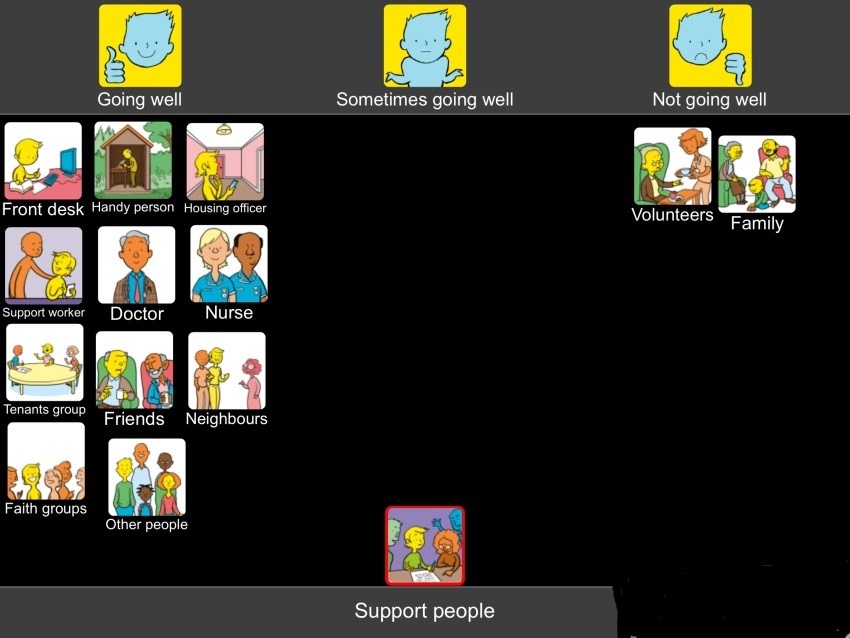
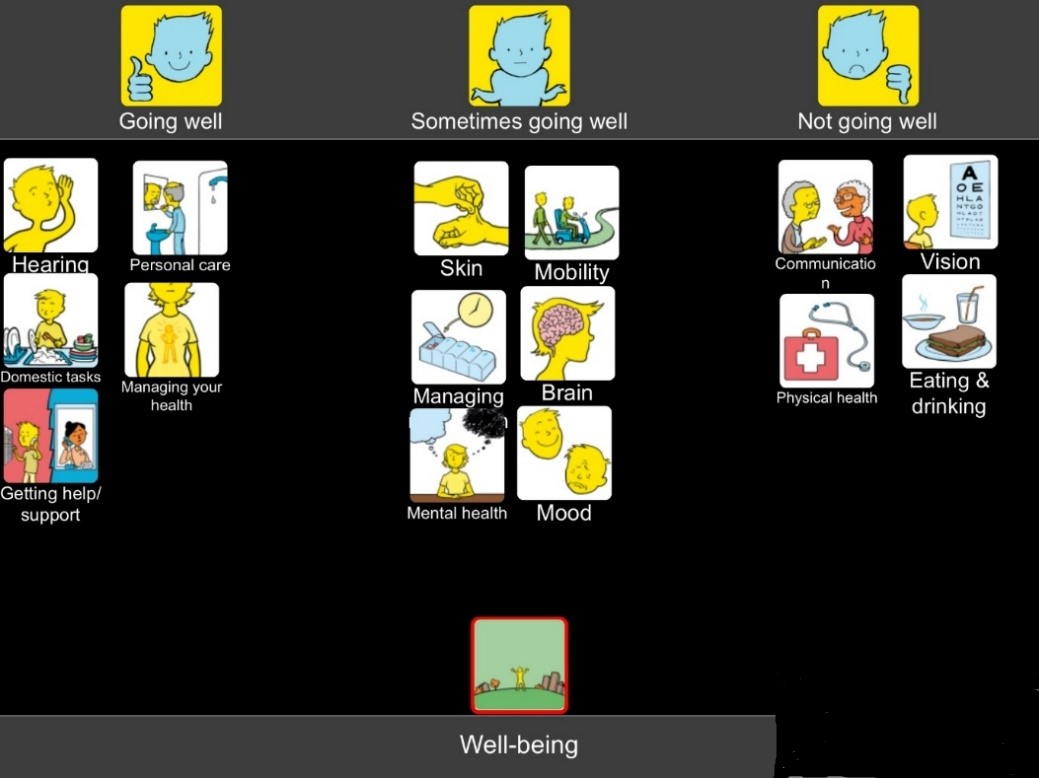
The set has three topics: Home, Wellbeing, Support people
The Top scale for this set is Going well…Going well sometimes…Not going well
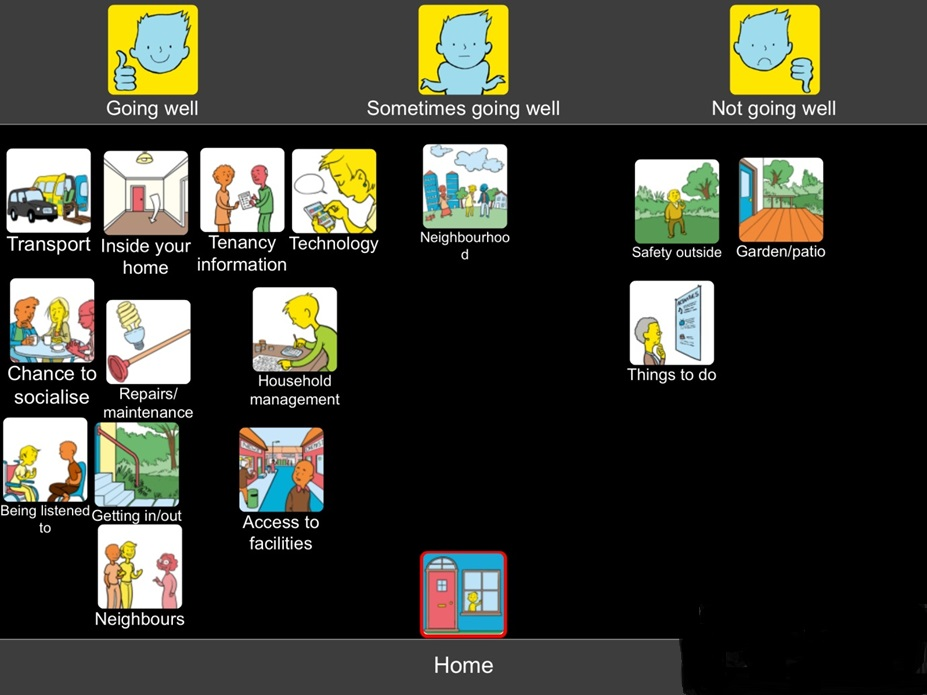 One of the major themes to emerge was safety inside and outside the house. Using the App, tenants were able to identify issues that were making them feel unsafe including:
- A broken stair door
- Uneven pavement outside the house,
- Poor eyesight
- Poor mobility
This was having a negative impact on tenants’ wellbeing and by doing the mats, actions were identified to address all these concerns and anxieties were reduced.
It was a great partnership and we hope to work together again to further explore how the App can support the Service Integration agenda by facilitating communication between Health, Social and Care and Housing with the tenant at the centre.
Read the summary report 201908 Talking Health and Housing Summary Report
If you are interested in finding out more about the Talking Health and Housing App please email info@talkingmats.com

The Symbols are designed and © to Adam Murphy 2015 and assigned to Talking Mats Ltd. in perpetuity. They may not be reproduced without permission